
What is Mobility Training and Why Does it Matter?
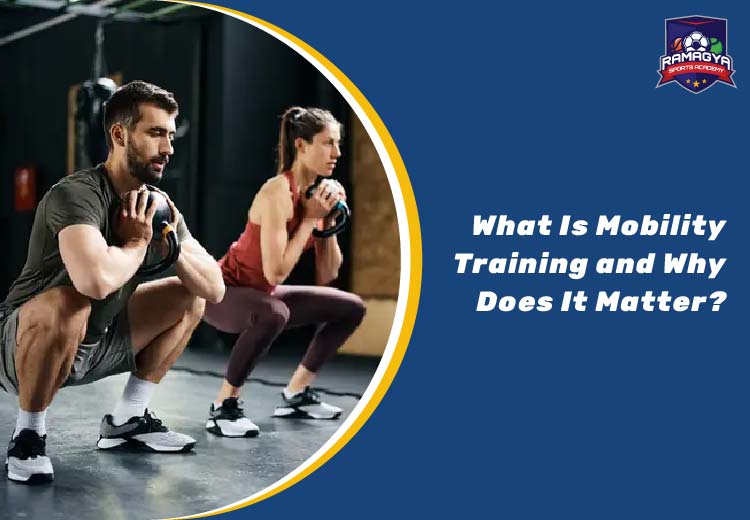
Table of Contents
Do you feel stiff after sitting in a position for a long time and noticed that it takes you a while to walk without difficulty when you get up? It’s because muscles and joints require movement, flexibility and care. This training isn’t just about lifting heavy weights but rather allowing your body to move freely at a comfortable, efficient, and free level.
In this blog, we’ll look at what is mobility training, how a mobility workout will benefit you, and the exercises for joint mobility you can do to improve your health every day.
Understanding Mobility Training
What is mobility training? At its core, it refers to exercises and movements that improve how your joints and muscles work together so that you move easily and with control.
It’s more than just being flexible, mobility training helps build strength, control, balance along with joint health. If you incorporate mobility workout sessions into your daily routine, you’re not just improving your fitness and sporting performance but also enhancing daily movements such as reaching, bending, walking, and getting up from a seat.
Why Mobility Training Matters
Here are a few reasons to consider why training in mobility is important:
- Improves joint health and range of motion. When you exercise regularly your joints are healthier and you can move more easily.
- Reduces risk of injury and pain. If your muscles and joints don’t work properly then you’re more likely to be injured. The training for mobility helps in repairing those issues.
- Makes daily activities easier. Things like climbing stairs, reaching for shelves, or even tying shoes are easier after having completed joint mobility exercises.
- Boosts athletic performance and posture. A good mobility level helps you perform better during your workouts, and also reduces stress on your hips, back and shoulders.
- Supports long-term health and aging well. As you age, maintaining mobility can help you remain active and independent.
A mobility workout isn’t just a luxury, it’s a great addition to any exercise or fitness routine.
What Are Joint Mobility Exercises?
When you hear joint mobility exercises, the first thing that you think of is arm circles, ankle rotations, hip swings – these kinds of exercise and you’re right! These exercises are easy, focus on joints, muscles, as well as your movement. Some examples are:
- Leg swings or hip circles in order to relax hip joints
- Arm circles and shoulder rolls to increase shoulder movement
- Ankle circles or foot bends to support lower legs and ankles
- Controlled squats or lunges to move hips, knees and ankles together
They are very simple but effective. They are included in a mobility workout to help improve your overall movement quality.
How to Start with Mobility Training
Here’s an easy step to get started:
- Warm up gently: Spend 5 minutes doing light movements (like arm swings and lifting your legs).
- Pick 2-3 joint areas where you feel stiffness (hips, ankles, shoulders).
- Do 5-10 minutes of joint mobility exercises – slowly, controlled, and feel the movements.
- Include such exercises three times a week, or include it into your workout routine.
- Be consistent: Even the smallest mobility sessions can be beneficial.
Make sure to focus on your posture, control, form and your body’s connection.
Tips to Get the Most from Mobility Training
- Use body awareness: Notice the way your body is moving, how it feels tight, or restrained.
- Avoid rushing: Mobility is about smooth, controlled moving, not speed.
- Include it regularly: Pair it with your regular exercise routine or during rest days.
- Keep equipment minimal: Using a mat, an exercise ball or a resistance band could help.
- Monitor progress: Can you bend your body better, lean easily, or move with less stiffness? Little changes are important.
Conclusion
The importance of mobility training is all about freedom of movement. When you know what is mobility training, practice a mobility workout, and frequently do joint mobility exercises, the body gets more comfortable and secure. When you’re working out, walking through the day or trying to stay active throughout your life, these actions are crucial. Start small, be consistent and allow your body to move effortlessly and strengthen.
FAQs
Q1. Do I need to be flexible before starting mobility training?
No. You become flexible because of mobility training. It helps you move more easily over time.
Q2. How often should I do joint mobility exercises?
Start 2-3 times a week for about 5 to 10 minutes. You can increase it slowly if you feel good.
Q3. Is mobility training only for athletes or older people?
No. Everyone can benefit – students, office workers, beginners, athletes, and seniors.
Q4. Can I do mobility exercises at home without equipment?
Yes. Most basic mobility exercises use just your body and simple movements.
Q5. There is a lot of pain in my joints. Can I still do mobility exercises?
If there is pain or injury, ask a doctor or trainer first. Then do gentle movements under guidance.